
Endo vs. Adeno: Understanding the “Evil Cousins” of Pelvic Pain

Endometriosis and adenomyosis are often confused because they cause similar symptoms—severe pelvic pain, heavy bleeding, and exhausting periods that disrupt your life. But these are distinct conditions that grow in different places and may need different treatments. Understanding which one you have (or if you have both) is crucial for getting the right care. This comprehensive guide explains the key differences between endometriosis and adenomyosis, covers Australia’s new 2025 diagnostic guidelines that prioritise ultrasound over surgery, outlines treatment pathways from hormonal management to surgical options, and details the specific red flags that mean you need specialist care immediately.
You Are Not Crazy: How to Advocate for Your Pain at the Doctor
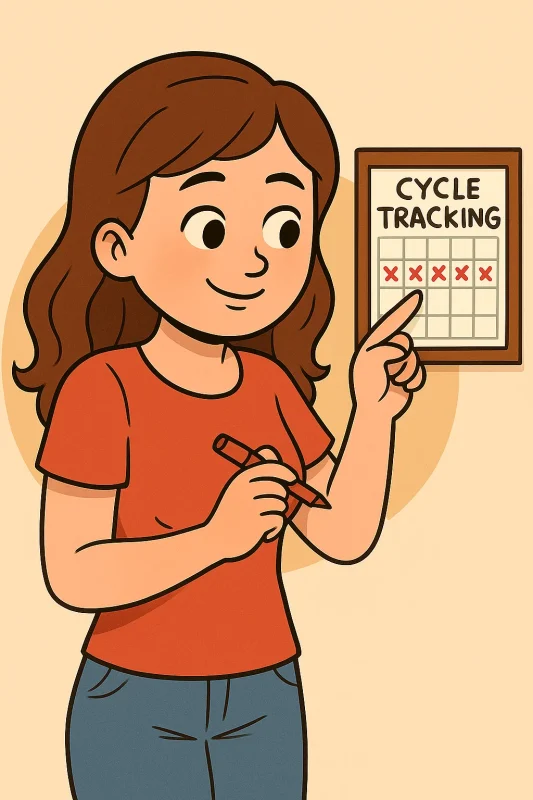
If you’ve left a doctor’s appointment feeling dismissed or questioning whether your pain is “real enough,” you’re not alone. In Australia, women with endometriosis wait 6-8 years for diagnosis while seeing at least three different doctors. This isn’t in your head—it’s medical gaslighting, and it’s a documented systemic problem. Learn the scripts, questions, and strategies to advocate for yourself, recognise dismissive behaviour, and find healthcare providers who will listen. Your pain is real, and you deserve proper investigation and treatment.
Community Voices: “They Told Me It Was Just Stress” (Real Endo Stories)

Content Warning: This article contains discussions of medical trauma, chronic pain, and diagnostic delays that some readers may find distressing. If you’ve spent years being told your period pain is “normal,” that you’re “too young for it to be serious,” or that you just need to “relax more” – you’re far from alone. Endometriosis affects […]
Early Signs of Endometriosis: What to Watch For

Endometriosis affects 1 in 10 women, yet diagnosis takes 7-12 years because symptoms get dismissed. Severe cramps, chronic pelvic pain, heavy bleeding, and pain during sex are warning signs. This guide explains the difference between normal period pain and endometriosis, covers digestive issues and fatigue, and helps you know when to see a doctor. Don’t let your pain be dismissed—get the care you deserve.
Endometriosis: Understanding the Condition and Its Impact
Understanding Endometriosis: More Than Just Painful Periods
Endometriosis isn’t just about cramps — it’s a chronic condition where tissue similar to the lining of the uterus grows outside the uterus, causing inflammation, scar tissue, and a wide range of symptoms. From pelvic pain and fatigue to heavy bleeding and difficulties conceiving, the impact can touch nearly every aspect of daily life.
While some women experience severe discomfort, others may have mild or no symptoms, making diagnosis tricky. Treatments vary depending on your needs and can include pain relief, hormonal therapy, fertility support, or surgery. Early awareness and management are key to improving quality of life and supporting reproductive health.
💛 Every woman’s experience is unique, and understanding the signs of endometriosis is the first step toward care, compassion, and relief.