

You’ve invested in reusable period products, which is brilliant. But between the blood, the layers, and the worry about smells, caring for period undies and cups can feel a bit mysterious. The good news? It’s actually dead simple once you know the rules.
This guide walks you through exactly how to keep your period underwear and menstrual cups clean, fresh, and working properly for years. No drama, no guesswork.
The Golden Rule: Cold Water First
This is the number one mistake people make with period products: using hot water too soon.
Blood is a protein-based stain. When protein meets hot water, it cooks into the fabric and sets the stain permanently. That’s why your period undies turn a permanent brownish colour if you chuck them straight into a hot wash.
The fix is simple: always start with cold water.
For period underwear, rinse them under cold running water immediately after taking them off. For menstrual cups and discs, give them a quick cold rinse before washing with soap.
This one step prevents 90% of staining issues. Once the blood is rinsed out and the water runs clear, you can use warm or hot water if needed for proper cleaning.
Mastering the Period Undie Wash
Period underwear has absorbent layers that need special care, but it’s not complicated. Here’s the three-step routine that keeps them fresh and working properly.
Step 1: Cold Rinse
As soon as you take your period undies off, rinse them under cold running water. Gently rub the gusset (the absorbent part between your legs) together with your fingers until the water runs clear.
Some people prefer to rinse them in the shower, which works perfectly. Just give them a good squeeze to wring out excess water when you’re done.
If you can’t rinse immediately, store them in a wet bag or waterproof pouch until you can get to a sink. Just don’t leave them sitting damp for more than 24 hours, as this can lead to smell and bacteria build-up.
Step 2: Cold Machine Wash
Toss your rinsed period undies into the washing machine on a cold, gentle cycle with mild detergent. You can wash them with your regular clothes—they won’t stain anything once they’ve been rinsed.
Important washing tips:
- Use a mesh laundry bag to protect them from snags and extend their life
- Avoid fabric softener—it coats the absorbent fibres and reduces their effectiveness
- Skip the bleach, which can damage the technical fabrics
- Stick to mild, fragrance-free detergent for best results
Step 3: Line Dry
Never put period underwear in the dryer. The heat breaks down the absorbent layers and elastic, shortening their lifespan significantly.
Instead, hang them on a washing line or lay them flat to air dry. They’ll typically take 12–24 hours to dry completely due to their absorbent layers.
Pro tip: Drying period undies in the sun acts as a natural antibacterial and helps remove any lingering stains. The UV light naturally sanitises and brightens the fabric.
Troubleshooting Stains and Smells
Even with perfect care, you might occasionally deal with stubborn stains or odours. Here’s how to fix them.
For stubborn blood stains:
Hydrogen peroxide is your best friend. Apply 3% hydrogen peroxide (the kind from the chemist) directly to the stain. Let it sit for 10–15 minutes while it bubbles and breaks down the blood proteins. Gently scrub with an old toothbrush, then rinse with cold water and wash as normal.
This works on both fresh and dried blood stains. For really set-in stains, you can repeat the process or leave the peroxide on for up to an hour.
For persistent smells:
If your period undies smell even after washing, soak them overnight in a basin of cold water mixed with white vinegar or baking soda. Use about 1/4 cup of vinegar or 2 tablespoons of baking soda per litre of water.
Alternatively, add a small amount of vinegar to your regular wash cycle as a preventative measure.
The most common cause of smell is incomplete drying. Make sure your undies are bone dry before storing them, and store them in a breathable space—never in an airtight container.
Cup and Disc Hygiene 101
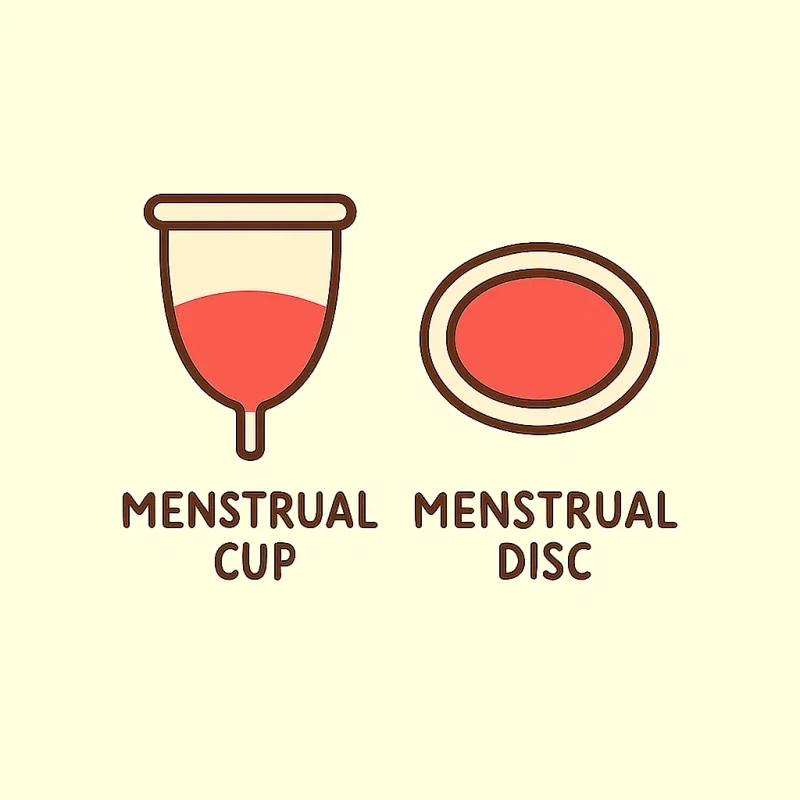
Menstrual cups and discs need two levels of cleaning: daily cleaning during your period and proper sterilisation at the end of your cycle.
Daily Clean During Your Cycle
When you empty your cup or disc during your period, simply rinse it with cold water first, then wash with warm water and mild soap. Make sure you clean the air holes (for cups) and the rim thoroughly.
You can use your fingers or a soft toothbrush dedicated to your cup to clean hard-to-reach spots. A toothpick works well for clearing air holes—just dispose of it after use.
In public toilets, you can wipe your cup with toilet paper or a menstrual cup wipe, then give it a proper wash when you get home.
End-of-Cycle Sterilisation
Once your period ends, you need to properly sterilise your cup or disc before storing it. You have two main options: boiling or cold sterilisation.
Boiling Method:
Bring a pot of water to a rolling boil. Place your cup or disc in the water and boil for 2–5 minutes. Make sure the cup doesn’t touch the bottom or sides of the pot (it can melt or burn). Some people place their cup inside a whisk to keep it suspended.
Don’t boil for longer than 5 minutes—it won’t get cleaner, but it may shorten the lifespan of the silicone.
Milton Cold Sterilising Method:
Milton sterilising tablets (the kind used for baby bottles) offer a no-heat alternative that’s brilliant for travel or if you share a kitchen.
Dissolve one Milton tablet in cold water according to packet directions. Fully submerge your cup or disc in the solution for 15 minutes. The solution kills 99.9% of germs and bacteria, and it remains effective for 24 hours, so you can reuse it.
After sterilising, rinse your cup with clean water and let it air dry completely before storing.
Other sterilising options:
- Microwave sterilisation containers (follow product instructions)
- Dedicated cup steamers
- Overnight soak in 3% hydrogen peroxide (also removes stains)
Storage: Always store your cup or disc in a breathable fabric pouch—never in an airtight container or plastic bag. The material needs airflow to prevent bacteria growth.
When to Throw Them Out?
Reusable period products don’t last forever, but with proper care, they’ll give you years of use. Here’s how to know when it’s time to replace them.
Period Underwear Lifespan
Quality period undies typically last 6 months to 2 years, depending on how often you use them and how well you care for them.
Replace your period underwear if you notice:
- Decreased absorbency—they’re not holding as much as they used to
- Visible wear and tear—holes, fraying, pilling, or elastic breakdown
- Persistent odour that doesn’t go away with washing
- They no longer fit properly due to stretched elastic
If you use your period undies daily for incontinence, expect a shorter lifespan (around 12 months). If you only wear them during your period, they can last 2–3 years.
Menstrual Cup and Disc Lifespan
Medical-grade silicone cups and discs can last up to 10 years with proper care, though many brands recommend replacing them every 2–5 years.
Replace your cup or disc if you notice:
- Any cracks, tears, or punctures in the silicone
- A sticky, oily, or chalky film that won’t wash off
- Persistent odour even after sterilisation
- Loss of flexibility—the silicone doesn’t spring back when squeezed
- Discolouration is normal and doesn’t affect performance
If you drop your cup in the toilet, replace it immediately. Boiling won’t guarantee 100% sterilisation from toilet bacteria.
Making Them Last Longer
To get the maximum lifespan from your reusable products:
- Follow washing instructions carefully
- Avoid heat (no dryers, no excessive boiling)
- Store properly in breathable containers
- Trim your nails to avoid accidental tears when inserting cups
- Use multiple pairs of period undies so each one gets washed less frequently
The Bottom Line
Caring for reusable period products really comes down to remembering three things: cold water first, skip the heat, and make sure everything’s completely dry before storing.
Master these basics and your period undies and cups will stay fresh, stain-free, and working properly for years. Plus, you’ll save hundreds of dollars on disposable products while doing something good for the environment.
Now that’s a win-win.